Don't start with a random gym visit.
We start with a consultation, diagnostics and a short session with a trainer. We want to understand what you expect from training and where you stand now — only then does a recommendation mean anything.
By the end of the first visit you know where you stand, what makes sense to improve first, and whether you are better off going it alone with a clear plan or with a trainer guiding you.
And it still holds: the first visit is free.
Three steps before you leave with a plan
Every step has a concrete outcome. None of them commits you to the next — you can stop at any point.
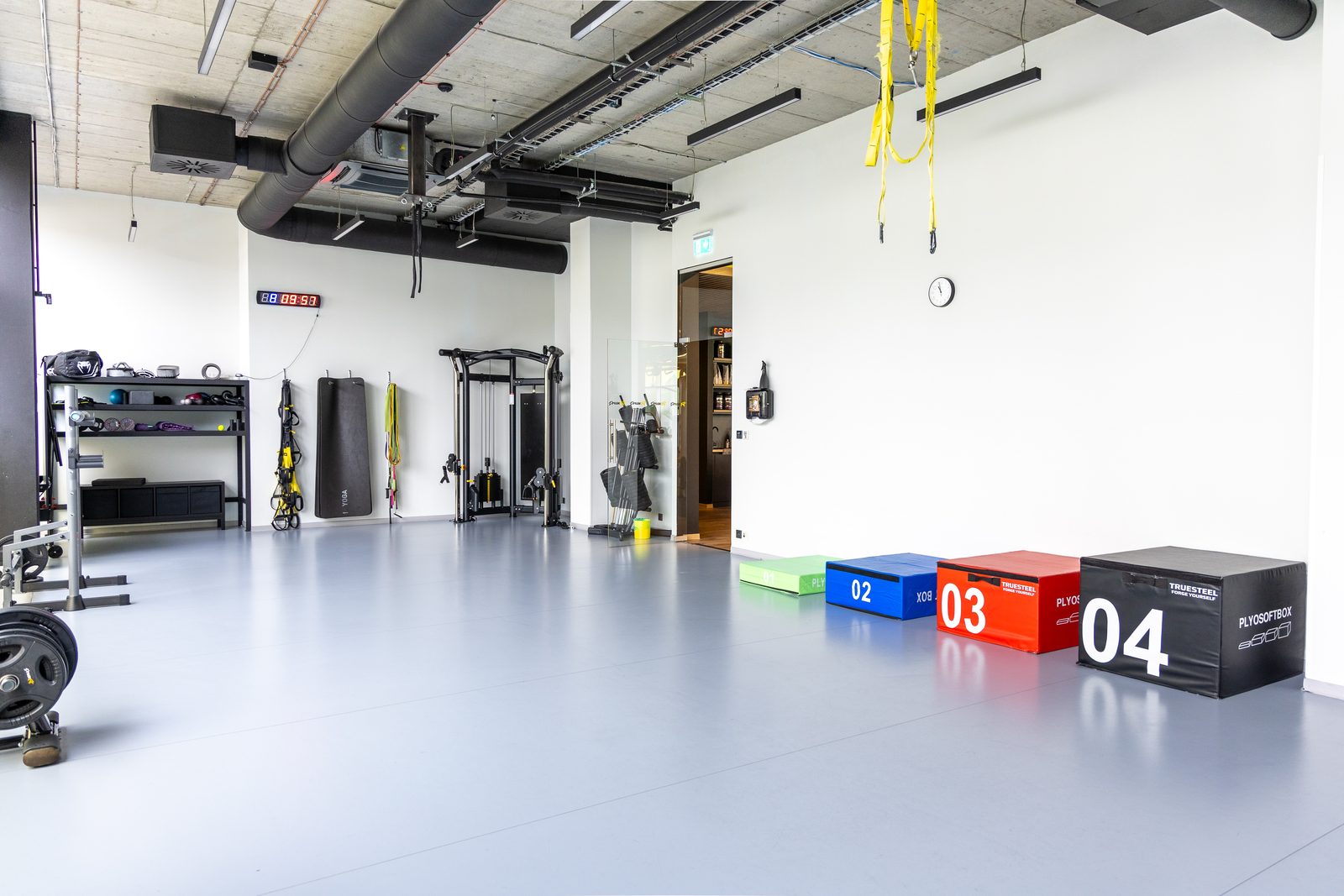
Consultation and diagnostics
We go through what brought you here, what your week looks like and what your body can take. We measure body composition on the InBody and run a basic movement assessment.
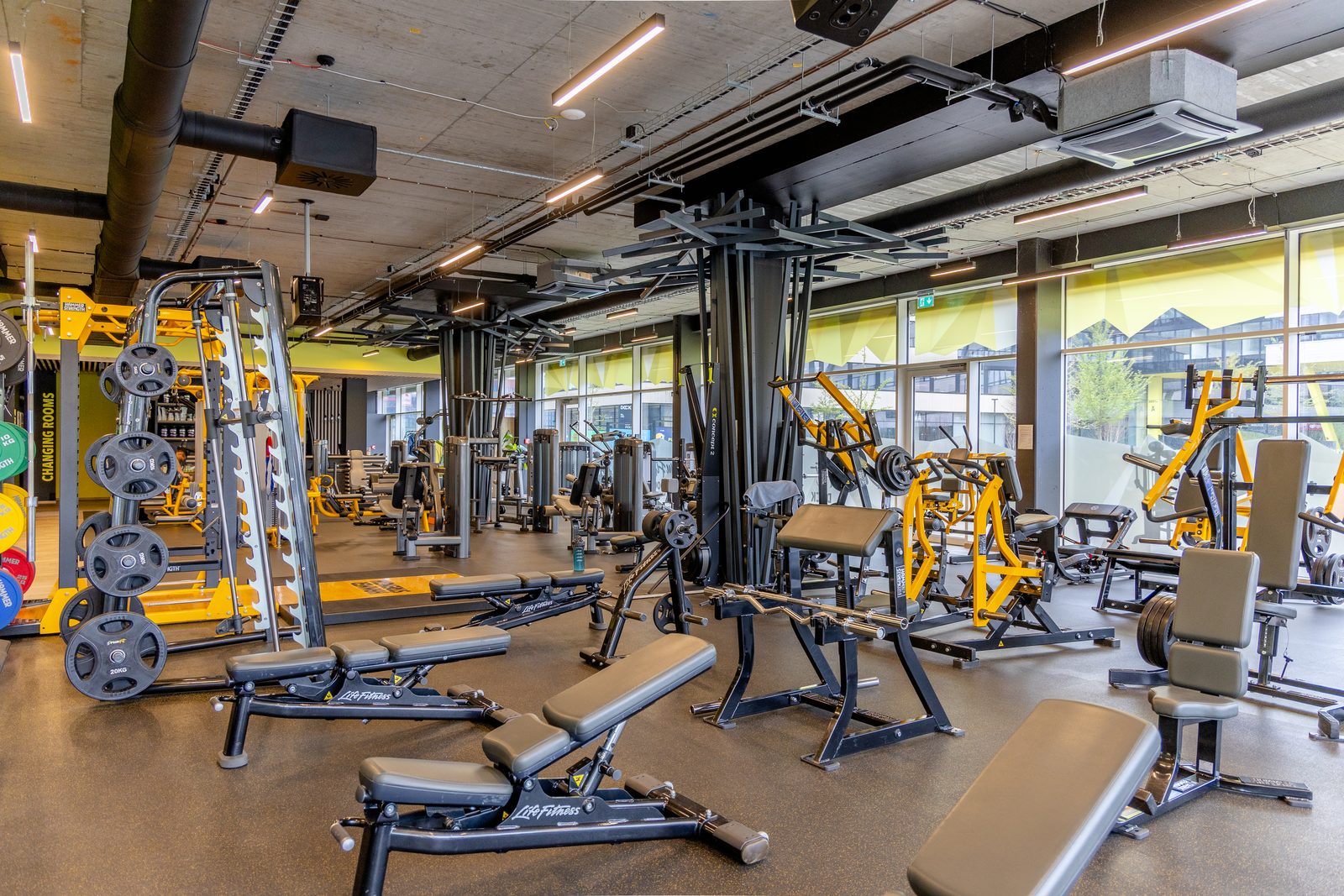
A short introductory session
Not a test to exhaustion. The trainer needs to see how you move — and you need to find out whether it suits you.

A plan and a recommendation
What to improve first, how often to train and what to do about food. Based on what you can realistically manage — not on an ideal week that never comes.
After thirty the body starts losing on its own.
Without strength training you lose 5–8% of muscle mass on average every decade after forty. Strength, stability and eventually what you dare to do go with it.
An illustration of the usual trend, not one person's measurements. Training does not stop the decline entirely — but it pushes it back by years.
Plenty of people go to the gym. Few get results.
This is what we hear from people who come to us after years of training elsewhere.
“I train, but nothing happens.”
Without measurement you only see weight. And weight will not tell you whether you lost fat or muscle.
“I don't know what to do.”
A plan from the internet was written for somebody else. Your knees, your schedule and your job are not in it.
“I'm afraid I'm doing it wrong.”
That is why we start with a movement assessment and the trainer stands next to you during the first session.
What happens next
Diagnostics, plan, review. Then round again — with numbers we finally have something to compare against.
Personal consultation
Goals, health limitations, how much time you really have. Without this, any recommendation is a shot in the dark.
InBody measurement
Muscle, fat, water and how they are distributed. The baseline numbers we keep coming back to.
Movement assessment
Basic movement patterns, ranges and imbalances. This shows what to strengthen and what to leave alone.
Blood tests
If you want to go deeper, we arrange blood work too — and the plan takes it into account.
Training plan
Built on your diagnostics and on the number of days you can actually manage.
Nutrition consultation
Not a meal plan down to the gram. Changes that last longer than a fortnight.
Habits around training
Sleep, steps, recovery. They often deliver more than another hour in the gym.
InBody re-measurement
The same device, the same conditions. Otherwise the numbers cannot be compared.
Plan adjustment
What worked stays. What did not, goes — even if it was in the plan from day one.
The next goal
After the first result the goal usually changes. That is fine — we just want to know about it.
Three things we track
Body composition, not weight
Weight swings with water and food. The muscle-to-fat ratio shows whether anything is actually changing.
Lasting longer than yesterday
Fitness shows on the stairs and at the end of the day, not on a display. We measure it so the improvement is visible.
What holds the body together
Strength decides how you age — whether you still take on the suitcase, the garden and the grandchildren.
Numbers don't lie. We make sure you know yours.
We measure what can be improved and what shows within weeks. Open a category to see exactly what and why.
Muscle mass (InBody)
How much muscle you carry and how it is distributed. It is the one number that tells you whether you are losing fat or muscle.
Body fat
The fat ratio matters more for health and stamina than weight. It swings with water and food, so we always measure under the same conditions.
Visceral fat
The fat stored around your organs. You cannot see it and it is riskier than the fat under the skin — it is linked to blood pressure, diabetes and inflammation.
Body water
The ratio of water inside and outside your cells. It reveals water retention — and that you arrived after a sleepless night, so the numbers need a grain of salt.
Circumferences and weight
Waist, hips, chest, thigh. A complement to the InBody: circumferences show a change in shape even when the scale does not move.
Before and after photos
Optional and only for you. After three months it is usually more convincing than any table.
Resting heart rate
How many beats per minute at rest. It falls as fitness improves and it is one of the few things anyone can measure at home.
Blood pressure
Measured before the session. High blood pressure changes how we build the training — not whether you train, but how.
Fitness test
A short effort test matched to your level. It shows how quickly your heart rate climbs and, more importantly, how quickly it comes back down.
Blood tests
Arranged when you want to go deeper or when the training numbers do not add up — cholesterol, glucose, inflammation and hormone markers. We go through the results together.
Sleep and steps
Data from your watch or phone. They often deliver more than another hour in the gym — fatigue shows up in training before anything else.
Movement assessment
Basic movement patterns — squat, hinge, overhead press. They reveal what the body works around, which is why it usually hurts somewhere other than the cause.
Joint ranges
Shoulders, hips, ankles. A short muscle cannot be trained fully — it needs range first, otherwise the load finds another way.
Grip strength
An unremarkable number that says a lot: it correlates with overall strength and, in long-term studies, with independence in old age.
Stability and balance
Single-leg stance, pelvic control. It decides whether your body copes with movement it did not prepare for.
Rep maxima
What you lift for eight to ten reps on the main lifts. Safer than a one-rep max and just as useful for planning.
One visit will tell you more than this whole page.
Pick a slot, come in and decide afterwards.
Consultation · InBody · movement assessment · training